

 Facebook
 X
X
 Pinterest
 Copy Link
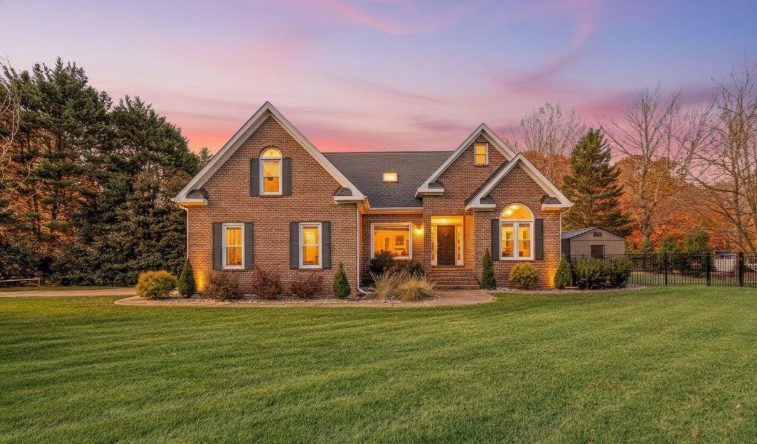
Where can you still buy in or near Raleigh/Cary without overpaying and still protect your future equity?
It’s one of the most common questions I hear from Triangle buyers right now. Affordability has tightened, competition is still strong in the best pockets, and many popular neighborhoods feel out of reach.
But here’s the good news: there are still several Raleigh-area neighborhoods that offer a realistic entry point today and strong long-term appreciation potential over the next 5–10 years.
Whether you’re a first-time buyer, a move-up buyer, or someone relocating to the Triangle, this guide breaks down the areas that offer the best mix of:
-
Attainable prices
-
Proximity to job centers
-
Ongoing development and revitalization
-
Consistent buyer demand
-
Long-term upside
Let’s dive in.
Southeast & East Raleigh (South Park, Downtown East, Battery Heights)
Why they’re in demand:
These areas still offer lower median prices compared to much of Raleigh, but sit right next to massive redevelopment and public-private investment.
Why they have long-term upside:
-
Active revitalization efforts
-
Proximity to Downtown Raleigh
-
Increasing demand from buyers priced out of surrounding neighborhoods
-
New construction + renovated homes driving value upward
Best for: Buyers who want to get near the urban core without paying inside-the-beltline premiums.
Garner & Knightdale: Close-In Suburbs With Room to Run
These towns continue to benefit from Raleigh’s east-south growth pattern and major infrastructure improvements.
Why buyers love them:
-
More house for the money
-
New schools, parks, and commercial development
-
Quick commutes to Raleigh, RTP, and Johnston County job centers
Long-term outlook: Strong appreciation driven by population migration, improved road networks (I-40, I-87, 540 expansions), and the “suburban sweet spot” pricing.
Brier Creek & North Raleigh (Wakefield, Bedford, Durant Trails)
These areas aren’t the cheapest, but they remain more attainable than the ultra-premium North Raleigh pockets.
Why they hold value:
-
RTP corridor convenience
-
Strong shopping, restaurant, and amenity access
-
Consistent year-round buyer demand
-
Excellent school zones
Who it’s for: Buyers willing to stretch a bit for stable, proven appreciation in a highly desirable corridor.
West Cary (Cary Park, Amberly, Carpenter Village)
Not purely “mid-range,” but far more realistic than the top-tier Cary neighborhoods.
Why they’re still a smart buy:
-
Elite schools
-
Tight inventory
-
Continued commercial and mixed-use development
-
Proven 10–20 year appreciation trends
This is where many buyers come when they want suburban quiet + walkability + strong public schools.
Downtown Cary: Early Upside in a Major Transformation
Downtown Cary is in the middle of one of the Triangle’s most dramatic revitalizations. New shops, parks, restaurants, and mixed-use projects are transforming the area.
Why it’s an opportunity:
-
Walkable lifestyle
-
Historic homes + new townhomes
-
Major revitalization projects increasing demand
-
Appreciation follows walkability, and Cary is investing heavily
There’s construction and change but with that comes long-term equity upside.
🔥 Holly Springs & Wake Forest: More Space, More Affordability, More Growth
These farther-out suburbs offer some of the best combinations of price + growth potential.
Holly Springs
-
Popular with families
-
Rapid retail and commercial expansion
-
Easy access to RTP via 540
Wake Forest
-
More space for the money
-
Charming downtown
-
Strong new-construction pipeline
-
Fast population growth and buyer demand
Both offer lower entry points than Raleigh/Cary with strong future demand.
So… Which Neighborhood Is Right for Your Budget?
Every buyer’s situation is different: price point, commute needs, school preferences, and lifestyle all play a role.
If you want help narrowing in on your best-fit neighborhoods, I can run a quick custom comparison that includes:
-
Your budget range
-
Neighborhood-level appreciation trends
-
Expected value growth over the next 5–10 years
-
Commute times + lifestyle fit
-
Current best listings that match your criteria


