

 Facebook
 X
X
 Pinterest
 Copy Link
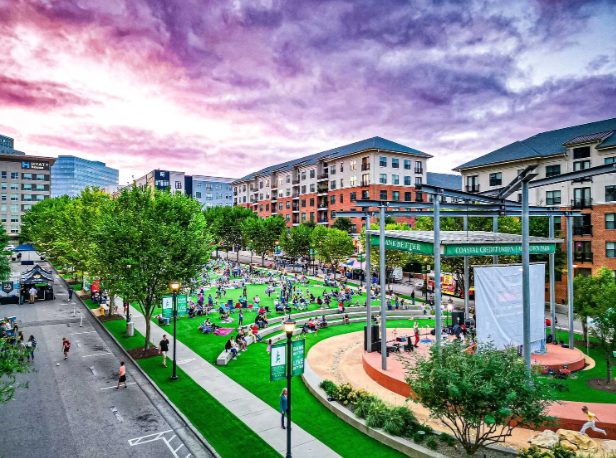
After a long stretch of uncertainty in the office market, the Triangle is seeing a trend many didn’t expect: office demand is climbing again — and Raleigh is at the center of the rebound. With companies recommitting to in-person work and searching for high-amenity office environments, areas like North Hills, Midtown, and Downtown Raleigh are experiencing renewed interest from employers.
This shift has major implications for the residential real estate market — especially as we move into a spring season expected to bring more activity and more buyers into the Triangle.
Here’s what’s happening and how it could impact homebuyers, sellers, and investors over the next few years.
Why Office Demand Is Surging Again
Axios recently reported that demand for premium, amenity-rich office space is growing in Raleigh. But this isn’t a return to the old office model, companies want experience-driven, walkable locations that attract employees and foster collaboration.
Today’s employers are looking for:
-
Walkable, mixed-use environments
-
Access to restaurants, coffee shops, fitness studios, and entertainment
-
Proximity to high-income residential neighborhoods
-
Convenience to major commuter routes like I-440, Six Forks, Glenwood, and Capital
This is why districts like North Hills continue to lead the pack. The combination of new office towers, residential buildings, dining, and lifestyle amenities creates a compelling “live-work-play” environment, something few markets offer at this scale.
How This Affects Housing Demand
When companies expand their footprint, employees follow — and housing demand shifts quickly around major job centers.
Neighborhoods that will feel the boost include:
-
North Hills / Midtown Raleigh
-
ITB (Inside-the-Beltline)
-
North Raleigh (Falls of Neuse, Durant, Bedford area)
-
Morrisville & Cary’s Eastern Corridor
-
Wake Forest / Rolesville (quick commute, more affordability)
-
Durham areas bordering RTP
Expected impacts:
-
Increased competition for homes within a 15–20 minute commute of major office corridors
-
Higher demand for condos and townhomes near North Hills and Downtown
-
Strengthening interest in new construction north and east of Raleigh
-
Out-of-state buyers continuing to seek homes close to lifestyle hubs
For homeowners in these areas, the return of office demand could translate into stronger home values and more buyer activity, especially heading into the spring market.
Retail and Mixed-Use Growth Will Accelerate
Office workers support restaurants, gyms, retail shops, and entertainment venues. So as foot traffic rises, development follows.
Expect to see:
-
More mixed-use developments combining apartments, retail, and office
-
Expansion of dining and entertainment options in Midtown and North Raleigh
-
Rising land values for commercially zoned parcels
-
Larger projects proposed along key corridors like Six Forks, Glenwood, and Capital Boulevard
These improvements don’t just benefit office tenants, they enhance the lifestyle value of surrounding neighborhoods, which can further boost demand for residential properties.
What This Means for Real Estate Investors
Raleigh’s return-to-office momentum is reshaping investment strategies across the Triangle.
Investors may see:
-
Higher rental demand in Midtown, Glenwood South, North Hills, and Downtown Raleigh
-
Strong appreciation potential for properties within walkable districts
-
More competition for small commercial parcels near live-work-play communities
-
Renewed interest in townhomes and condos near job centers
For long-term investors, the Triangle continues to be one of the most resilient and attractive markets in the country and this trend only strengthens that position.
What Sellers Should Know Heading Into Spring
If you’re considering selling your home this spring, the timing aligns with strong macro trends:
-
Office demand is returning.
-
Buyer demand is rising.
-
New inventory will come, but still not enough to meet needs.
-
Lifestyle-driven neighborhoods (especially near office hubs) will see more activity.
Preparing now: repairs, touch-ups, decluttering, and curb appeal improvements will allow you to hit the market early, ahead of the seasonal rush and before competition increases.
Bottom Line
The Triangle’s resurgence in office demand is more than a commercial real estate story, it’s a housing story. Jobs drive growth, and growth drives home values. As companies reestablish an in-person presence and invest heavily in areas like North Hills, surrounding neighborhoods will see increased demand, stronger appreciation, and faster market activity.


